The Harvest Season of Autumn
In Japan, food and culture are deeply connected to the four seasons. The word “shun” (旬) refers to the time when an ingredient is at its freshest, most flavorful, and most nutritious. Eating seasonal foods is often said to be one of the secrets behind the long life expectancy of the Japanese people.
Enjoying foods in their season not only brings out their best flavor but is also thought to provide health benefits, as the body naturally receives the nutrients it needs at that time of year. For example, vegetables harvested in summer often have cooling properties, while root vegetables that come into season in winter help warm and strengthen the body. Some well-known examples include bamboo shoots and strawberries in spring, cucumbers, eggplants, and watermelon in summer, chestnuts, sweet potatoes, persimmons, and matsutake mushrooms in autumn, and daikon radish and mandarins in winter. These foods are not simply ingredients—they symbolize the rhythm of nature itself.
Although Japan is surrounded by the sea and fish can be caught year-round, seafood also has its own seasons. Fish that are in season in spring, for example, are rich in flavor because they still carry the fat they stored during the cold winter months. Seasonal fish are highly nutritious, abundant, and often more affordable. The Japanese appreciation for the seasonality of fish is closely tied to the culture of sushi, which allows people to enjoy a wide variety of seafood at its best.
Autumn, in particular, is considered the “season of appetite” (shokuyoku no aki 食欲の秋). After the hot summer, people’s appetites return, and many foods taste especially delicious. It is also a time to build up nutrition for the coming winter, which is why so many seasonal delicacies appear at this time of year.
Japan has several proverbs related to seasonal foods. One famous saying is “Do not let your daughter-in-law eat autumn eggplants” (秋ナスは嫁に食わすな). At first glance, it sounds unkind, but there are different interpretations. One is humorous: eggplants are so delicious in autumn that people did not want to share them with the daughter-in-law. Another is more caring: since eggplants are thought to have a cooling effect on the body, it was considered unwise for women to eat them during the colder months.
Another proverb says, “In autumn, the sky is high and horses grow fat” (天高く馬肥ゆる秋). This phrase describes autumn’s clear skies and abundant harvests, a season when both animals and humans can eat well and thrive. It celebrates the richness of autumn and is often associated with the idea of an increased appetite during this time.
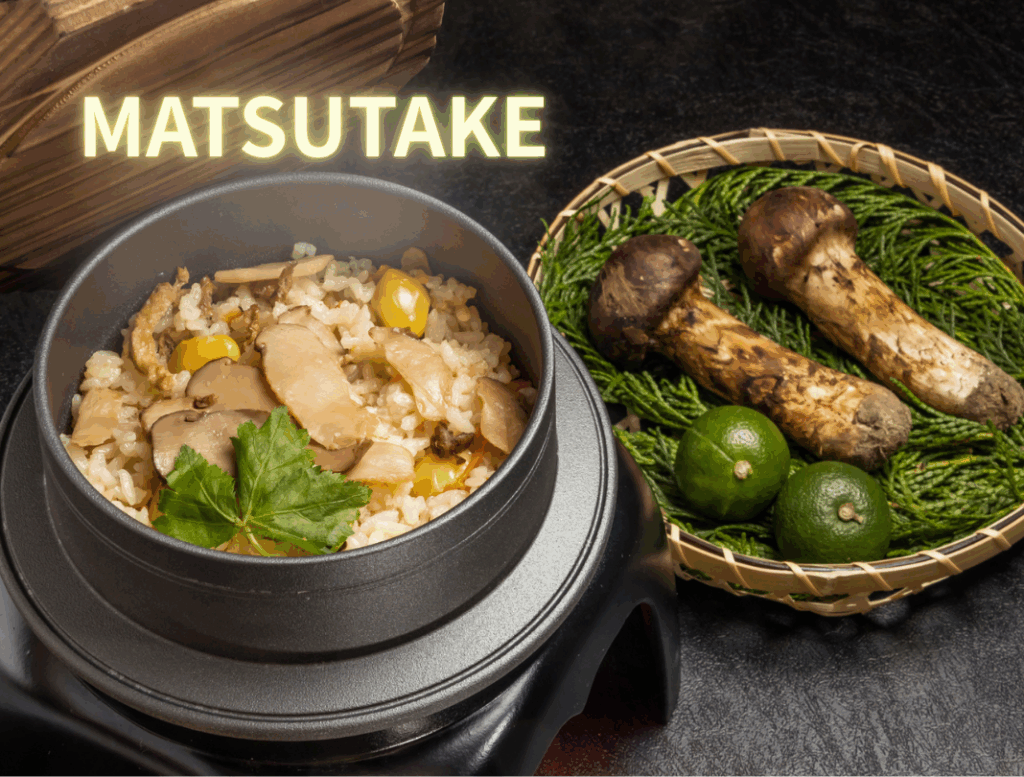
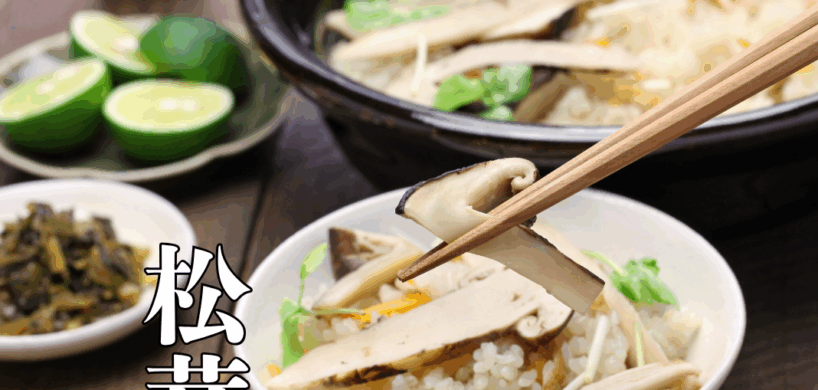
Among autumn’s seasonal foods, matsutake mushrooms are especially prized. Unlike many other mushrooms, matsutake are not valued for their strong flavor but for their distinctive fragrance, which is best enjoyed in simple dishes such as matsutake rice. In Japan, they are extremely expensive, sometimes costing tens of thousands of yen per kilogram. Because of this, matsutake are not typically found in everyday households—they are a symbol of luxury and abundance in every sense.
Interestingly, matsutake also grow here in Canada, especially in British Columbia, where many are harvested and exported to Japan, where they are treated as a high-end delicacy.
The practice of savoring seasonal foods is not just about culinary pleasure. It is a cultural expression of gratitude for nature’s blessings, a celebration of the harvest, and a way of honoring the beauty of the changing seasons. Would you like to try a meal featuring matsutake mushrooms? It is fascinating to wonder how many people in Canada—where tastes and food traditions differ from Japan—have had the chance to experience this Japanese luxury ingredient.
This article was contributed to the October 2025 issue of Cowichan Valley Voice.
日本の季節の食文化:「旬」とは?/収穫の秋
日本では、食と文化は四季と深く結びついています。「旬(しゅん)」 とは、食材がもっとも新鮮で、味も栄養も豊かになる時期のことを指します。旬のものを食べることは日本人の長寿を支える伝統的食文化の秘密の一つであると言われています。
旬の食材で、風味を楽しむだけでなく、体に必要な栄養を自然に取り入れるという健康のメリットもあると考えられています。たとえば、夏に収穫できる野菜は体を冷やす野菜が多く、冬には体を温める根菜が旬を迎えます。代表的な素材は、春はタケノコやイチゴ、夏はキュウリやナス、スイカ。秋は実りの季節で、松茸、栗、サツマイモ、柿などが並びます。冬はみかんや大根など、寒さの中で体を支える食材が登場します。これらは単なる食材ではなく、自然のリズムを映し出す象徴なのです。
日本は海に囲まれ、一年中魚が捕れますが魚にも旬があります。春が旬の魚は、程よく脂がのっています。それは、冬の寒さから身を守るために体の中に蓄えた脂肪が残っているためです。旬の魚は栄養価が高く、収穫が多いので価格が安いというメリットがあります。魚の旬へのこだわりは「寿司」という様々な種類の魚を食べる文化がある日本ならでは味わい方です。
特に秋は暑い夏の次に来る季節なので、暑くて食が進まなかった人も食欲が戻って、いろいろなものが美味しく感じられます。また、これからやって来る寒い季節を乗り越えるため栄養を蓄積する必要があるので、食欲の秋と言われ、旬を迎える美味しい食べ物も多いです。
日本には有名なことわざもあります。「秋ナスは嫁に食わすな」。一見すると意地悪な言葉のようですが、解釈はいくつかあります。一つは「秋のナスがあまりにおいしいので、嫁には食べさせたくない」という冗談めいた意味。もう一つは、ナスは体を冷やす性質があるため、寒い時期に女性の体にはよくない、という嫁の健康を気遣う意味だとも言われます。
「天高く馬肥ゆる秋」ということわざは秋の空が澄み渡り、馬が食欲を増して肥えるような、過ごしやすい季節を表現しています。秋の豊かさや実りの季節を称賛するものであり、特に食欲の秋とも言われる時期に使われます。
いずれにしても、これらのことわざからも日本人が季節の食べ物をどれほど身近に感じてきたかが伝わってきます。
秋の味覚の中でも特別なのが松茸です。ほかのきのこと違い、松茸は味よりもその香りを楽しむ食材です。代表的な食べ方は松茸ごはんで、お米に香りがしみ込んで秋の贅沢を感じられます。日本では非常に高価で、時には1キロ数万円から数十万円することもあります。
旬であっても一般の家庭で登場する食材ではないのです。つまり「松茸」はあらゆる意味での豊かさの象徴なのです。興味深いことに、松茸はここカナダでも採れます。特にブリティッシュコロンビアで収穫される松茸の多くは日本に輸出され、高級食材として珍重されているのです。
旬の食材を味わうという習慣は、単なる食の楽しみではありません。それは自然の恵みに感謝し、収穫を祝い、季節の移ろいを大切にするという日本文化の表れなのです。あなたは町田家ご飯を食べてみたいですか?日本とは違う味付けや食に関する価値観を持つカナダで日本の高級食材「松茸」を試したことがある人がどれだけいるのか?興味深いと思いませんか?
※この記事は、**2025年10月号の『カウチンバレー・ヴォイス(Cowichan Valley Voice)』**に寄稿されたものです