・Christmas Eve: Japan’s Main Celebration
Because December 25th is a regular working day, Christmas Eve has become the true highlight of the holiday season.
For many couples, the night feels almost like Valentine’s Day. Restaurants release special holiday menus, and reservations often fill up weeks in advance.
Couples enjoy illuminated cityscapes, take photos together, exchange thoughtful gifts, and create warm memories.
Rather than observing religious traditions, Japanese people embrace Christmas Eve as a moment to enjoy romance, friendship, and the cozy charm of winter.
・Decoration Cakes: A Sweet Japanese Tradition
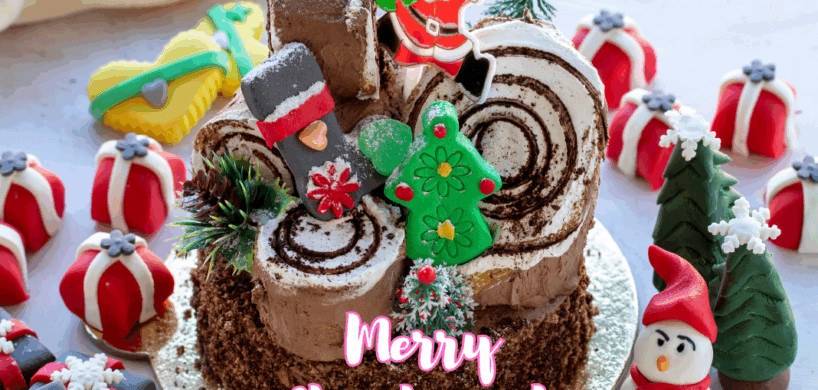
One of the most recognizable symbols of a Japanese Christmas is the decoration cake—a soft sponge cake beautifully covered with whipped cream and strawberries.
Light, fresh, and visually delightful, it stands in contrast to the dense fruitcakes enjoyed in many Western countries.
Families, couples, coworkers, and even classmates may share a decoration cake as part of their celebration.
The cake has become so iconic that bakeries across Japan prepare elaborate designs, and many people look forward to enjoying one every year.
・Chicken: Japan’s Christmas Dinner Staple
Another major tradition is eating chicken on Christmas.
Whether it is home-cooked roast chicken or popular fried chicken from chains and convenience stores, chicken has become the unofficial Christmas dinner of Japan.
This tradition spread widely in the 1970s through clever marketing campaigns and has since become one of the most recognizable seasonal customs.
For many families, enjoying a special chicken meal adds a sense of celebration to the evening.
・Other Seasonal Foods and Drinks
Beyond chicken and cake, many people enjoy pizza, roast beef, or Western-style holiday dishes to make the night feel special.
Champagne, sparkling wine, and festive beverages often accompany the meal, adding a touch of elegance for adult celebrations.
・A Festival of Lights and Romance
Across Japan, towns and cities glow with impressive illumination displays.
Families with children may exchange small Santa gifts, but overall, Christmas is celebrated as a joyful winter festival—a time to enjoy lights, food, and memorable moments with others.
・Conclusion: Japan’s Romantic and Commercial Christmas
Japan’s Christmas is best described as a romantic, enchanting, and highly commercial winter event.
From decoration cakes and festive meals to sparkling lights and heartfelt gift-giving, the season offers a uniquely Japanese way of celebrating joy and connection.
This article was contributed to the December 2025 issue of Cowichan Valley Voice.
日本のクリスマス:ロマンチックで商業的な冬のお祭り
・クリスマスイブ:日本ではイブが本番
12月25日は通常の平日であるため、日本ではクリスマスイブが本当のメインイベントになっています。
多くのカップルにとって、この夜はまるでバレンタインデーのように特別です。
レストランはクリスマス限定メニューを用意し、数週間前から予約が埋まることも珍しくありません。
カップルは街のイルミネーションを楽しんだり、一緒に写真を撮ったり、心のこもったプレゼントを交換したりと、あたたかい思い出を作ります。
宗教的な行事としてではなく、ロマンスや友情、冬の穏やかな雰囲気を楽しむ時間としてクリスマスイブを迎えるのが、日本ならではの過ごし方です。
・デコレーションケーキ:日本の甘いクリスマス伝統
日本のクリスマスを象徴するもののひとつが、デコレーションケーキです。
ふんわりとしたスポンジ生地に、生クリームといちごを美しく飾ったケーキは、とても人気があります。
欧米で親しまれるずっしりとしたフルーツケーキとは異なり、日本のケーキは軽くて新鮮、そして見た目にも華やかです。
家族、カップル、同僚、クラスメイトなど、さまざまな人たちがクリスマスにデコレーションケーキを分け合って楽しみます。
全国のケーキ店がさまざまなデザインを用意するほど、クリスマスケーキは日本のクリスマスに欠かせない存在となっており、多くの人が毎年楽しみにしています。
・チキン:日本のクリスマス定番ディナー
日本のクリスマスでもうひとつ大きな伝統となっているのが「チキンを食べる」ことです。
家庭でローストチキンを作ったり、人気チェーン店やコンビニでフライドチキンを買ったりと、チキンは“日本版クリスマスディナー”として定着しています。
この風習は1970年代の巧みなマーケティングをきっかけに広まり、今では日本で最もよく知られるクリスマス習慣のひとつとなりました。
多くの家庭にとって、特別なチキン料理を囲むことで「クリスマスらしさ」が生まれ、楽しい雰囲気が高まります。
・その他のクリスマス料理と飲み物
チキンやケーキ以外にも、ピザやローストビーフ、洋風の特別料理を楽しむ家庭が多く、
「いつもより少し豪華な食卓」を用意するのが日本式クリスマスの特徴でもあります。
また、大人のクリスマスにはシャンパンやスパークリングワインなどの華やかな飲み物が添えられ、特別な夜を演出します。
・光とロマンスの冬祭り
日本各地の街や都市では、クリスマスシーズンになると美しいイルミネーションが広がります。
子どもがいる家庭では小さなサンタギフトを交換することもありますが、全体として日本のクリスマスは「光」「食」「思い出」を楽しむ冬の祭りのような存在です。
・まとめ:日本のクリスマスはロマンチックで商業的
日本のクリスマスは、ロマンチックで魅力的、そして非常に商業的な冬のイベントといえるでしょう。
デコレーションケーキやごちそう、イルミネーション、カップルのギフト交換など、日本ならではのスタイルで「喜び」と「つながり」を祝う季節となっています。
この文章は、2025年12月号 Cowichan Valley Voice に寄稿されたものです。