1. What is “Ishoku Dogen”?
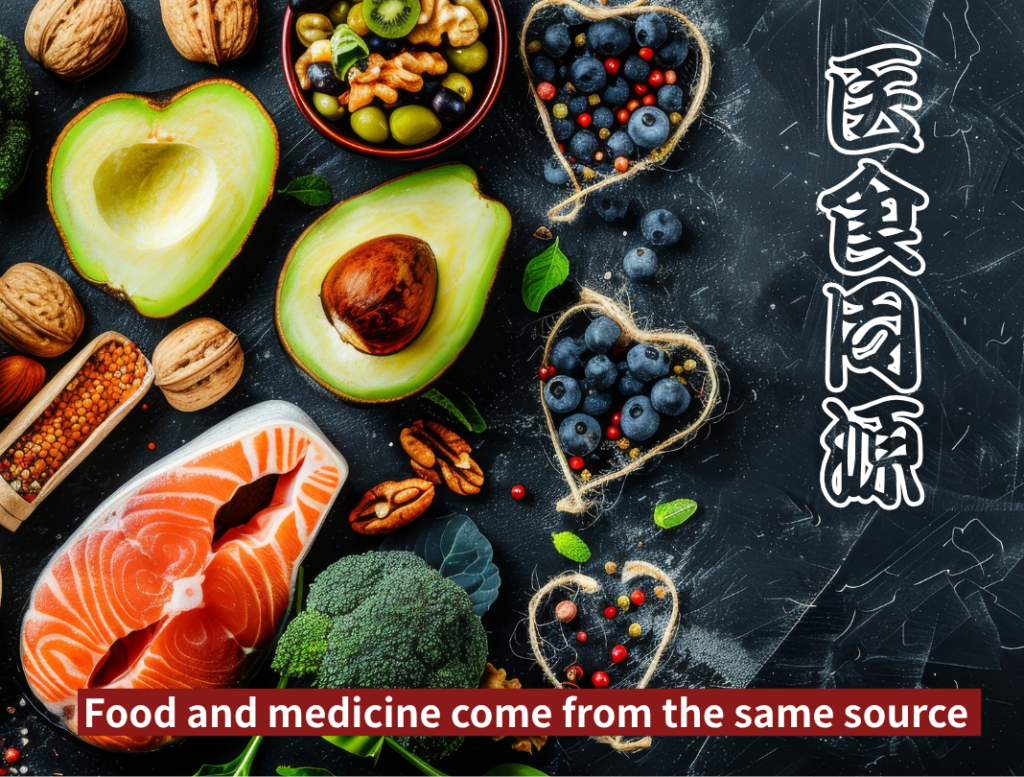
Have you ever heard of 医食同源 (Ishoku Dogen)?
This traditional East Asian philosophy means “food and medicine come from the same source.” Originating in ancient China and embraced in Japan, it teaches that daily meals play an important role in maintaining health and preventing illness.
By choosing foods that match the season and support our physical condition, we can improve digestion, encourage circulation, and maintain balance in the body.
2. A Food Culture That Respects Natural Flavor
Japanese food culture values the natural flavor of ingredients. Rather than relying heavily on strong spices or rich sauces, traditional cooking uses broth, fermentation, and careful preparation to bring out natural umami.
Dashi made from kombu and bonito flakes, along with fermented miso and soy sauce, are classic examples. These ingredients create depth of flavor without overwhelming the palate.
Today, many people are accustomed to heavily seasoned foods or meals enhanced with MSG and artificial flavoring. Traditional Japanese cooking instead focuses on balance and allowing ingredients to speak for themselves.
3. Avoid Over-Cooling the Body in Summer
During hot summer months, it is easy to depend on iced drinks, sweet beverages, and cold meals. However, too much cold food can strain digestion and leave the body feeling sluggish — something commonly known in Japan as “summer fatigue.”
For this reason, warm and nourishing foods are often recommended even in summer. In India, spicy dishes like curry are enjoyed because spices stimulate appetite, support digestion, and help preserve food in hot climates.
Sometimes the best way to handle heat is not by excessively cooling the body, but by helping it maintain balance naturally.
4. A Bowl of Ramen
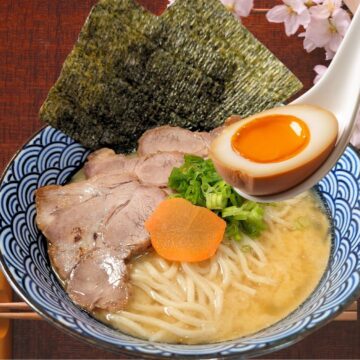
Ramen is more than just a global food trend. It combines broth, noodles, protein, and vegetables into one comforting and balanced meal.
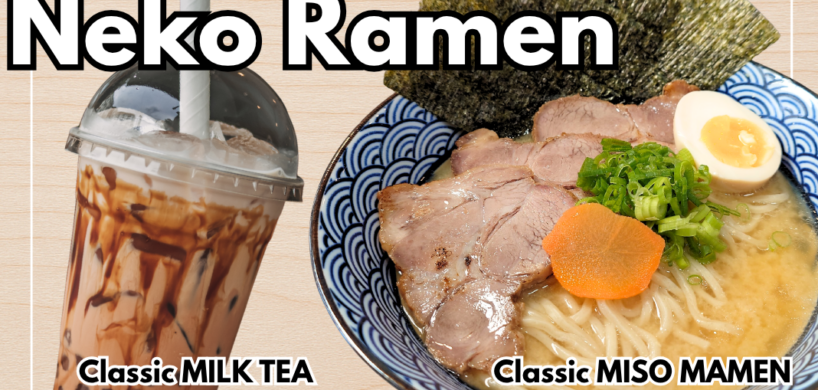
At Neko Ramen, we prepare our ramen using house-made additive-free miso and freshly made noodles while respecting the natural flavor of each ingredient. One reason we chose Duncan is its naturally soft water, which gives broth-based dishes a smoother and cleaner taste.
Water, too, is an essential ingredient.
This summer, why not experience it for yourself? A warm bowl of ramen at Neko Ramen might be just what your body needs.
This article was contributed to the Jun 2026 issue of Cowichan Valley Voice.
医食同源 ― 暖かい季節に温かいものを
1. 医食同源とは?
「医食同源」という言葉をご存じでしょうか。
これは東洋医学の考え方で、「食べ物と薬は同じ源から成り立っている」という意味です。古代中国に起源を持ち、日本でも広く受け入れられてきました。日々の食事が、健康維持や病気の予防に大切な役割を果たすという考え方です。
季節や自分の体調に合った食べ物を選ぶことで、消化を助け、血の巡りを整え、体のバランスを保つことができるとされています。
2. 素材の味を大切にする食文化
日本の食文化には、素材本来の味を大切にする考え方があります。強いスパイスや濃いソースに頼るのではなく、出汁や発酵の力を使って自然な旨味を引き出します。
昆布や鰹節から取る出汁、発酵させた味噌や醤油は、その代表的な例です。こうした食材は、味を濃くしすぎず、深みのある味わいを生み出します。
近年では、MSG(うま味調味料)や人工的な味付けの強い食事に慣れている人も少なくありません。しかし本来の日本料理は、素材そのものの味を生かし、体への負担を抑えながら食事を楽しむ文化でもあります。
3. 夏に体を冷やしすぎない
暑い夏には、冷たい飲み物や甘いドリンク、冷たい食事に頼りがちになります。しかし、冷たいものの摂りすぎは胃腸に負担をかけ、体がだるく感じることがあります。日本ではこれを「夏バテ」と呼びます。
そのため、日本では夏でも温かく栄養のある食事がすすめられています。インドでカレーのような辛い料理が好まれるのも、スパイスが食欲を刺激し、消化を助け、暑い地域で食材を傷みにくくするためです。
暑さに対して、ただ体を冷やすだけではなく、自然なバランスを保つという知恵がそこにはあります。
4. ラーメンという一杯
ラーメンは、単なる世界的ブームの食べ物ではありません。スープ、麺、タンパク質、野菜を組み合わせた、バランスの良い一杯です。
猫ラーメンでは、無添加の自家製味噌と手作りの麺を使い、素材本来の味を大切にしながらラーメンを作っています。また、私たちがダンカンを選んだ理由のひとつが「水」です。ダンカンのやわらかい天然水は、スープ料理にまろやかで澄んだ味わいを与えてくれます。
水もまた、大切な食材のひとつです。
この夏、ぜひ体で感じてみてください。猫ラーメンの温かい一杯が、きっとあなたの体にやさしく響くはずです。
この文章は、2026年6月号 Cowichan Valley Voice に寄稿されたものです。