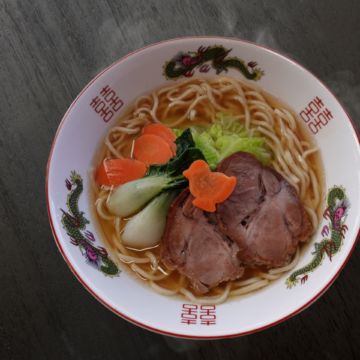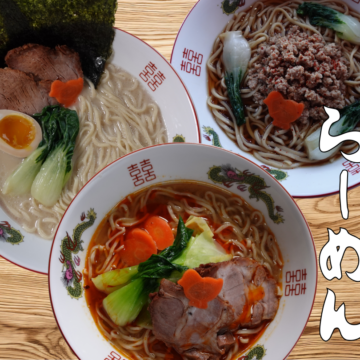
Spring has arrived, bringing with it the season of Easter. In many Western countries, eggs appear in the form of colorful decorations or chocolate treats. In Japan, however, one of the most beloved eggs is found in a very different place—resting quietly on top of a steaming bowl of ramen.
■Do You Know Ajitama?
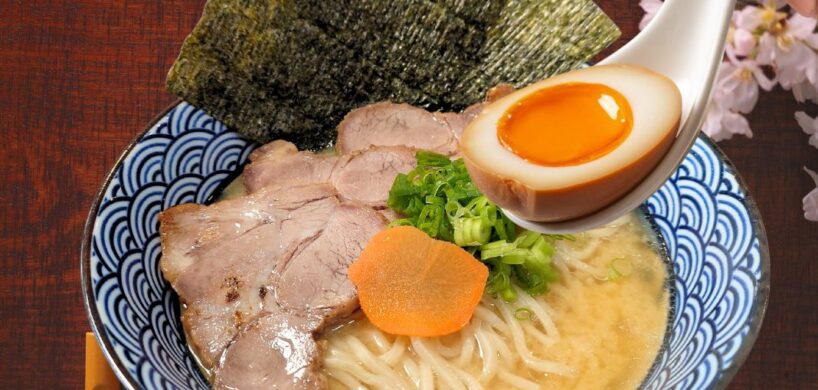
If you have ever eaten ramen in Japan, you may have noticed a beautifully cut egg sitting on the noodles. This is called ajitama, short for ajitsuke tamago, meaning “seasoned egg.”
At first glance, it may look like a simple boiled egg. But look closer and you will see the difference. The egg white is lightly tinted brown from soy sauce, and the yolk is golden and slightly soft. The egg is marinated in soy sauce, mirin, and sometimes broth, allowing flavor to gently soak in. For many ramen lovers, ajitama is one of the highlights of the bowl.
■Japan’s Love of the Perfect Egg
Japan has a long-standing fascination with achieving the perfect egg texture. While hard-boiled eggs are common in Western cooking, Japanese cuisine often celebrates soft, delicate eggs.
Examples include onsen tamago (hot spring eggs) and chawanmushi (savory egg custard). Ramen eggs fall in between—firm enough to hold their shape, yet rich and creamy inside. Achieving this balance requires careful timing, and even a minute too long can change the result.
■More Than Just a Topping
One defining feature of ajitama is that it is marinated rather than simply topped with sauce. Instead of adding flavor on the surface, Japanese cooking often allows it to slowly infuse into the ingredient itself.
Each ramen shop prepares its eggs differently, creating subtle variations in taste and texture.
Colorful Easter eggs and savory ramen eggs may look very different, but both bring a little joy to spring—one hidden in the garden, the other waiting in a warm bowl of ramen.
This article was contributed to the April 2026 issue of Cowichan Valley Voice.
イースターエッグからラーメンの味玉へ
春がやってきました。イースターの季節です。北米やヨーロッパでは、卵はカラフルに彩られたり、チョコレートとして楽しまれたりしますが、日本では少し違った形で親しまれています。それは、湯気の立つラーメンの上に静かにのせられた卵です。
■味玉をご存じですか?
日本でラーメンを食べたことがある方なら、麺の上に美しくカットされた卵を見たことがあるかもしれません。これは「味玉」と呼ばれ、「味付け卵」の略です。
一見すると普通のゆで卵のようですが、よく見ると違いがあります。白身は醤油によってほんのり茶色く染まり、黄身は黄金色で少しとろりとしています。醤油やみりん、時には出汁に漬け込むことで、ゆっくりと味が染み込んでいきます。多くのラーメン好きにとって、味玉は単なるトッピングではなく、楽しみの一つです。
■完璧な卵へのこだわり
日本には「理想の卵の食感」を追求する文化があります。西洋では固ゆで卵が一般的ですが、日本料理ではやわらかく繊細な卵が好まれます。
例えば、温泉卵や茶碗蒸しなどがあります。ラーメンの味玉はその中間に位置し、形を保ちながらも中はクリーミーです。この絶妙なバランスを作るには時間管理が重要で、わずかな違いで仕上がりが変わります。
■単なるトッピングではない存在
味玉の特徴は、ソースをかけるのではなく「漬ける」ことで味をつける点です。日本料理では、表面に味を足すのではなく、素材そのものにゆっくりと味を染み込ませる考え方が大切にされています。
また、味玉の作り方は店ごとに異なり、それぞれに個性があります。
カラフルなイースターエッグと、旨味たっぷりのラーメンの味玉。見た目は違っても、どちらも春に小さな喜びを運んでくれる存在です。庭に隠された卵と、ラーメンの中で待っている卵――そのどちらも、季節を楽しませてくれます。
この文章は、2026年4月号 Cowichan Valley Voice に寄稿されたものです。