■ Differences in Dining Expectations
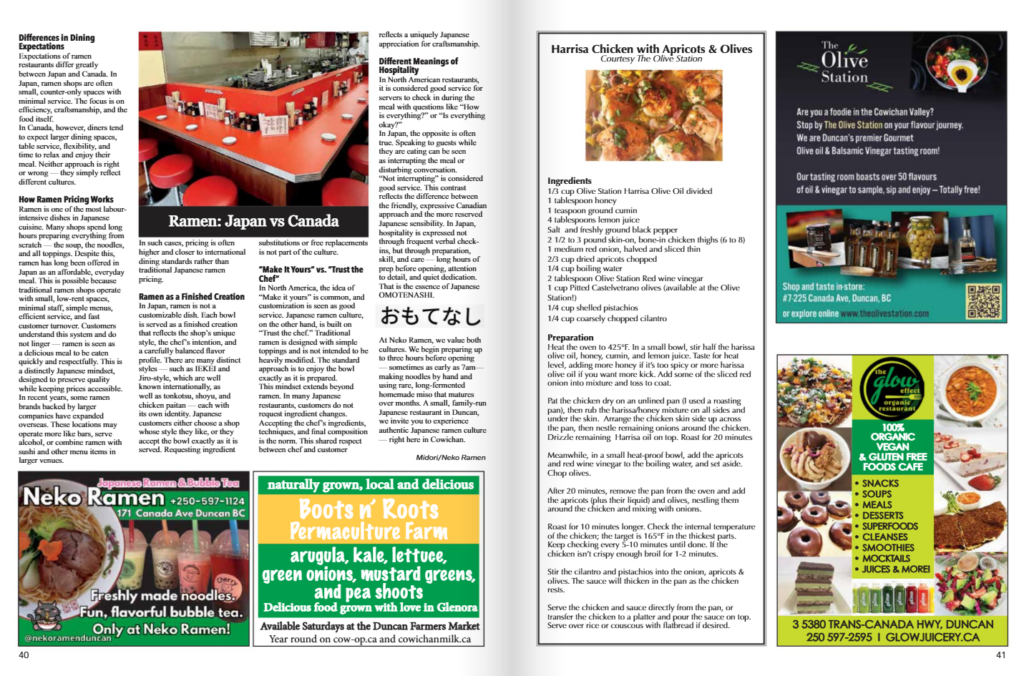
Expectations of ramen restaurants differ greatly between Japan and Canada. In Japan, ramen shops are often small, counter-only spaces with minimal service. The focus is on efficiency, craftsmanship, and the food itself.
In Canada, however, diners tend to expect larger dining spaces, table service, flexibility, and time to relax and enjoy their meal. Neither approach is right or wrong — they simply reflect different cultures.
■ How Ramen Pricing Works
Ramen is one of the most labor-intensive dishes in Japanese cuisine. Many shops spend long hours preparing everything from scratch — the soup, the noodles, and all toppings. Despite this, ramen has long been offered in Japan as an affordable, everyday meal. This is possible because traditional ramen shops operate with small, low-rent spaces, minimal staff, simple menus, efficient service, and fast customer turnover. Customers understand this system and do not linger — ramen is seen as a delicious meal to be eaten quickly and respectfully. This is a distinctly Japanese mindset, designed to preserve quality while keeping prices accessible.
In recent years, some ramen brands backed by larger companies have expanded overseas. These locations may operate more like bars, serve alcohol, or combine ramen with sushi and other menu items in larger venues.
In such cases, pricing is often higher and closer to international dining standards rather than traditional Japanese ramen pricing.
■ Ramen as a Finished Creation
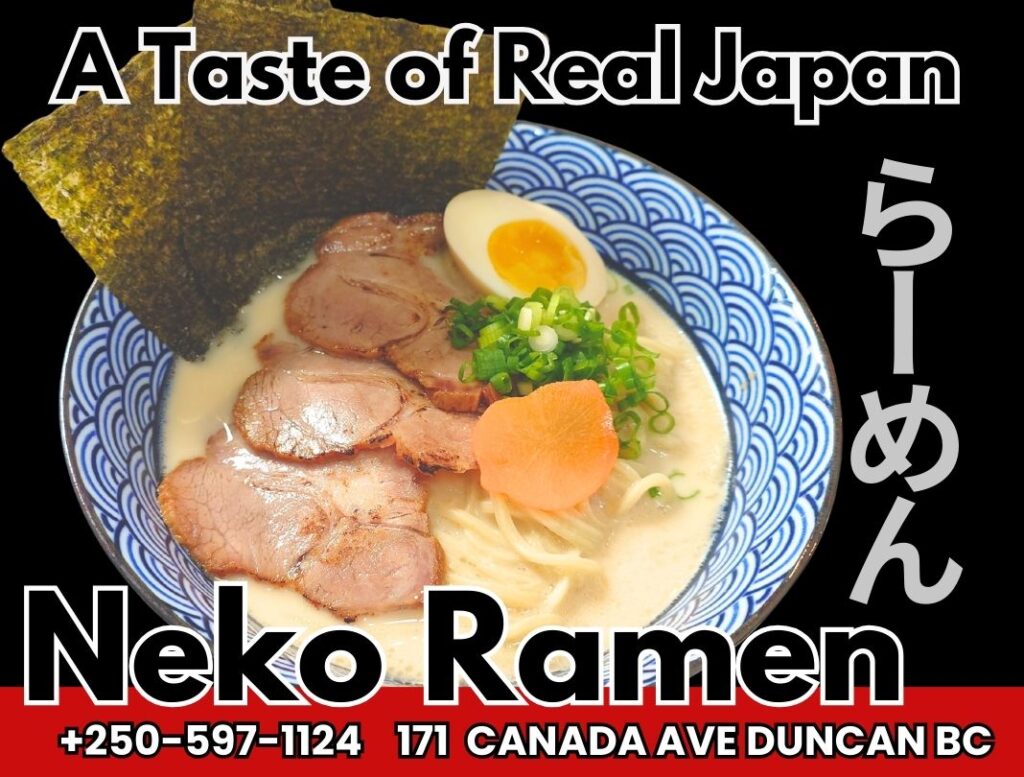
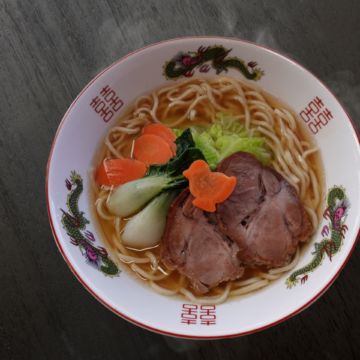
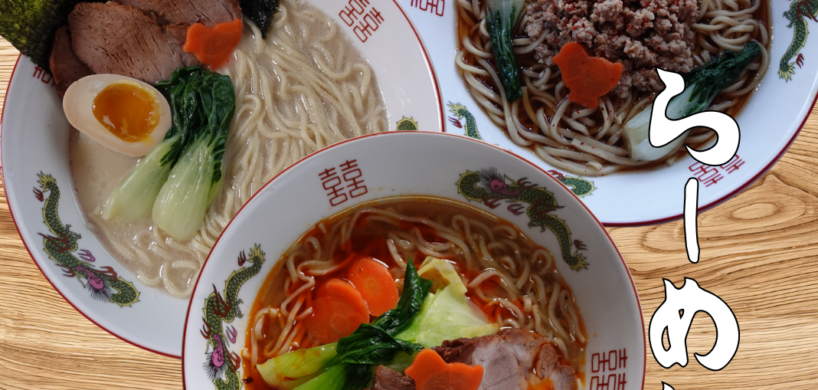
In Japan, ramen is not a customizable dish. Each bowl is served as a finished creation that reflects the shop’s unique style, the chef’s intention, and a carefully balanced flavor profile. There are many distinct styles — such as IEKEI and Jiro-style, which are well known internationally, as well as tonkotsu, shoyu, and chicken paitan — each with its own identity. Japanese customers either choose a shop whose style they like, or they accept the bowl exactly as it is served. Requesting ingredient substitutions or free replacements is not part of the culture.
■ “Make It Yours” vs. “Trust the Chef”
In North America, the idea of “Make it yours” is common, and customization is seen as good service. Japanese ramen culture, on the other hand, is built on “Trust the chef.” Traditional ramen is designed with simple toppings and is not intended to be heavily modified. The standard approach is to enjoy the bowl exactly as it is prepared.
This mindset extends beyond ramen. In many Japanese restaurants, customers do not request ingredient changes.
Accepting the chef’s ingredients, techniques, and final composition is the norm. This shared respect between chef and customer reflects a uniquely Japanese appreciation for craftsmanship.
■ Different Meanings of Hospitality
In North American restaurants, it is considered good service for servers to check in during the meal with questions like “How is everything?” or “Is everything okay?” In Japan, the opposite is often true.
Speaking to guests while they are eating can be seen as interrupting the meal or disturbing conversation.
“Not interrupting” is considered good service. This contrast reflects the difference between the friendly, expressive Canadian approach and the more reserved Japanese sensibility.
In Japan, hospitality is expressed not through frequent verbal check-ins, but through preparation, skill, and care — long hours of prep before opening, attention to detail, and quiet dedication.
That is the essence of Japanese OMOTENASHI.
At Neko Ramen, we value both cultures. We begin preparing up to three hours before opening — sometimes as early as 7 a.m. — making noodles by hand and using rare, long-fermented homemade miso that matures over months. A small, family-run Japanese restaurant on Vancouver Island,
we invite you to experience authentic Japanese ramen culture — right here in Canada.
This article was contributed to the March 2026 issue of Cowichan Valley Voice.
ラーメン/日本 vs カナダ
■食卓における期待の違い
日本とカナダでは、ラーメン店に対する期待が大きく異なります。
日本では、カウンターのみの小さな店で、最低限のサービスが一般的です。
一方カナダでは、広い店内、テーブルサービス、柔軟さ、ゆっくり食事を楽しむ時間が求められます。
どちらが正しいというわけではありません。文化の違いなのです。
■ラーメンの価格の仕組み
ラーメンは、日本料理の中でも非常に仕込みに手間のかかる料理です。
多くの店が長い時間をかけてスープ、トッピングのすべてを一から作りしています。
それでもラーメンは、長年「日常的で手頃な価格の食事」として提供されてきました。
それは、日本のラーメン店が賃料の安い小さな店舗と最小限の人員、シンプルなメニュー構成、効率的な提供と早い回転率で成り立っているからです。客もそれを理解してて、店に長居をすることなく、手早く食べれる美味しい料理という理解でいます。これは日本人の感覚であり、ラーメンの質を守りつつ、手ごろな価格で提供するための仕組みなのです。近年では大きな会社が母体で海外に店舗展開をする店もあり、アルコールと共にBARとして提供する店や、寿司など他のメニューと組み合わせる大型店もあり、その場合の価格帯は日本とは異なり、やや高めの設定となっていることが多いのです。
■完成された一杯としてのラーメン
日本では、ラーメンはカスタマイズする料理ではありません。その店独自のテイストを取り入れた完成された
一杯の作品として提供されます。そこには、各店の特徴や職人の意図と味のバランスがあります。
「家系」や「二郎系」といった海外でも有名なラーメンや、豚骨、醤油、白湯など、どれも違った味でたくさんの種類のラーメンが存在します。その店の独自のテイストをそのまま受け入れて食べる、または自分の好みのテイストのお店を選んで食べる、というのが日本人の感覚で、客が店に対して材料変更や無料の置き換えを要求することはありません。
■Make it yours と Trust the chef
北米では、「Make it yours(自分好みに)」 という考え方が一般的で、カスタマイズは良いサービスと考えられています。一方、日本のラーメン文化は 「Trust the chef(職人を信頼する)」 という価値観に基づいています。伝統的なラーメンは、シンプルなトッピングで構成され、大きな味変を前提としていません。
作られたままの一杯を味わうことが基本です。ラーメン店に限らず、日本の多くのレストランでは、客が材料変更を求めない文化があります。シェフの作った味、シェフの使う材料をそのまま受け入れることが一般的です。料理・素材・完成形すべてへの敬意を、店と客が共有する、これはクラフトマンシップへの敬意という日本独特の文化でもあります。
■「おもてなし」の感覚の違い
北米のレストランでは食事の途中にサーバーが「味はいかがですか?」や「全て大丈夫ですか?」と聞きに来ることを良いサービスととらえますが、日本では真逆の考え方で食事中に話しかけることは、食事を中断させる行為、または客同士の会話を邪魔する行為とみなされ、「邪魔しない=良い接客」という文化なのです。これはフレンドリーなカナダ人の感覚と控えめな日本人の感覚の違いでもあり、カナダでは「自分好みにカスタマイズ」、日本では「完成された料理を受けいれる」という文化の違いです。日本では食事をしている最中のサーバーのサービスだけでなく、開店前から長い時間をかけて下ごしらえをする事、準備と技術で心を伝える——それが日本独自の「おもてなし」と考えられています。
猫ラーメンでは、その両方の文化を大切にしています。開店の3時間前、時には朝7時から麺を打ち、
日本でも稀な、何か月も発酵させた手作り味噌を使っています。
バンクーバー島で、日本人家族が営む小さくても愛のある店。 カナダにいながら、本当の日本式ラーメン文化をぜひ楽しんでください。
この文章は、2026年3月号 Cowichan Valley Voice に寄稿されたものです。